 Reviews

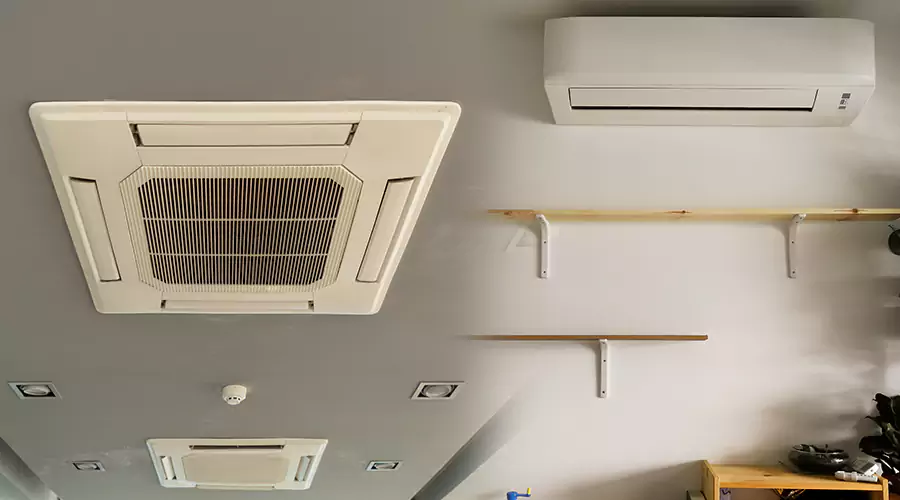
Choosing the right cooling setup can make a big difference in comfort, energy use, and long-term system performance. Many homeowners compare central ac vs mini split systems when replacing an old unit or adding cooling to a new space.
Both options can work well, but they solve different problems. The right choice depends on your home layout, ductwork condition, budget, comfort needs, and how you use each room. A professional central air conditioner installation is often the best choice for homes that need consistent whole-house cooling.
Understanding Central Air Conditioning
Central systems use one unit to cool the entire home. Air moves through ducts to reach each room. This setup is common in homes with existing ductwork.
How Central Systems Distribute Air Efficiently?
Central air conditioning relies on duct design and airflow balance. Proper ducts deliver consistent cooling across multiple rooms. Well maintained systems provide steady temperature control.
Understanding Ductless Mini Split Systems
Mini split systems cool specific areas without ducts. Each unit controls a separate space. This setup works well in homes without existing ducts.
How Zoned Cooling Improves Comfort Control?
A ductless mini split allows independent temperature settings for each room. This reduces energy waste in unused areas. Zoned control helps improve comfort in difficult spaces.
Quick AC System Comparison
Homeowners often need a clear ac system comparison before making a decision. This table gives a simple overview.
| Feature | Central AC | Ductless Mini Split |
|---|---|---|
| Cooling style | Whole-home cooling | Zone-based cooling |
| Ductwork needed | Yes | No |
| Best use | Homes with existing ducts | Rooms without ducts |
| Temperature control | One main thermostat | Room-by-room control |
| Installation impact | More duct-focused | Less invasive in many spaces |
| Indoor appearance | Uses vents | Uses wall or ceiling units |
This comparison can help you decide which system fits your home better.
Whole-Home Cooling Needs
Central systems are designed for full coverage. They cool all rooms through one system.
This approach works well for consistent use.
When Full Coverage Cooling Is the Right Choice?
Whole home cooling is ideal for families using most rooms daily. One system maintains uniform temperature. This reduces the need for multiple units.
Room-by-Room Cooling Control
Mini splits offer targeted cooling. Each room can have its own setting. This adds flexibility to temperature control.
How Zoned Systems Reduce Energy Waste?
Room by room cooling allows you to cool only occupied areas. This lowers energy use compared to whole home operation. It also improves comfort for different preferences.
Ductwork vs Ductless
The presence of ducts affects installation and performance. Duct condition plays a key role. This choice impacts both cost and efficiency.
How Duct Condition Influences Your Decision?
The ductwork vs ductless decision depends on existing duct quality. Damaged ducts reduce airflow efficiency. Ductless systems avoid these losses.
Central AC Benefits
Central systems provide consistent cooling through vents. They offer a clean indoor appearance. This option works well for many homes.
Advantages of a Single System for the Entire Home
Key central ac benefits include simplified control and compatibility with filtration systems. One thermostat manages comfort. This setup supports whole home air quality improvements.
Mini Split Benefits
Mini splits offer flexible installation and control. They are useful in specific areas. This system adapts to unique home layouts.
Why Flexibility Makes Mini Splits Useful?
Mini split benefits include easy installation in hard to reach areas. They work well in spaces without ducts. This flexibility helps solve targeted comfort issues.
Energy Efficient Cooling
Efficiency depends on system design and usage. Both options can perform well when installed correctly. Home condition also affects results.
How Usage Patterns Affect Efficiency?
Energy efficient cooling improves when systems match how rooms are used. Zoned systems reduce unnecessary operation. Central systems perform well with sealed ducts.
Cooling System Installation
Installation quality affects system performance. Proper setup ensures reliable operation. Each system has different installation needs.
What to Expect During Installation?
Cooling system installation includes system placement and airflow setup and performance testing. Each step affects efficiency. Mini split installation requires careful placement of indoor units for best results.
AC Replacement Options
Replacement decisions depend on current system condition. Upgrades should solve existing problems. Choosing the right option improves comfort.
How to Choose Between Replacement and Upgrade?
When reviewing ac replacement options consider system age and performance issues. Replacement may not fix airflow problems alone. Adding solutions may improve results.
Ductless HVAC for Problem Rooms
Ductless hvac can be a smart solution for rooms that need special attention. These areas may gain heat faster or sit too far from the main duct system.
Common spaces include:
- Home offices that need daytime cooling.
- Garages converted into living spaces.
- Additions without existing ductwork.
- Upstairs bedrooms that stay too warm.
- Sunrooms with large windows.
- Basements needing separate comfort control.
These one-line examples show where ductless cooling can help.
Residential Cooling System Factors
System choice should match home structure. Proper sizing is essential. Incorrect sizing leads to performance issues.
How Home Characteristics Affect System Choice?
A residential cooling system must consider insulation and layout and usage patterns. These factors determine system needs. Accurate sizing improves efficiency and comfort.
Choosing the Best Cooling System
Final selection depends on home needs and preferences. Both systems offer benefits. The right choice solves your specific problem.
How to Make a Confident Final Decision?
The best cooling system balances comfort and efficiency and installation requirements. Evaluate how each system fits your home. Professional guidance can help confirm the best option.
HVAC Contractor Advice
Good hvac contractor advice can help you compare systems with confidence. A contractor should inspect your home and explain the pros and cons clearly.
Ask these questions before choosing:
- Are my ducts in good condition?
- What system size does my home need?
- Which option fits my comfort problems?
- What are the installation costs?
- How will each system affect energy use?
- What maintenance will each system need?
Clear answers can help you avoid expensive mistakes.
Final Thoughts
Central AC and ductless mini split systems both offer strong cooling benefits, but they serve different needs. Central AC is often best for whole-home cooling through existing ducts, while ductless systems work well for room-by-room comfort and spaces without ductwork.
Before choosing, schedule a professional inspection. The right system should match your home layout, comfort goals, duct condition, and budget.